By acknowledging that addiction recovery is a complex and sometimes unpredictable journey, we can better support those in recovery and celebrate their progress, even when faced with setbacks. Medications like the nicotine patch, invented in 1984 by researchers at UCLA, were the first widely used transdermal medication and have helped many people quit smoking. Safe medical treatments have changed alcohol use disorder (AUD), diminishing alcohol cravings and preventing relapse with disulfiram, acamprosate, and naltrexone. Older myths about addiction and recovery adults can take steps to preserve their autonomy and overall well-being. This involves staying socially engaged, pursuing hobbies and interests, and seeking support when needed. To promote better sleep, older adults can establish a regular sleep schedule, create a comfortable sleep environment, and practice relaxation techniques before bed.
Myth: You have to hit “rock bottom” for treatment to be successful.
It’s important to understand that addiction is not a choice or a character flaw, but rather a chronic disease that alters brain chemistry and function. Recognizing addiction as a brain disorder is crucial for reducing stigma and promoting effective treatment approaches that address the underlying causes, rather than simply blaming the individual. However, these medications are designed to manage withdrawal symptoms without causing impairment. They help stabilize brain chemistry, reduce cravings, and normalize bodily functions. By alleviating the uncomfortable symptoms of withdrawal, individuals are better able to engage in the recovery process and make positive changes in their lives 5.
#4. People who get addicted to prescription drugs are different from people who get addicted to illegal drugs.
Understanding that addiction is a universal issue helps to dismantle stereotypes and promote a more inclusive approach to support and treatment. A widespread stereotype is that addiction only affects specific demographics or types of people, often those perceived as having troubled backgrounds or low socio-economic status. This myth can lead to stigmatization and a lack of empathy for those struggling with addiction.
Myth 4: People with Addiction Just Need More Willpower
In truth, anyone can struggle with addiction, no matter their race or background. Breaking down these myths about addiction and recovery can make a real difference for people who feel stuck, scared, or ashamed. When you share what you know, you help reduce stigma and make it easier for people to seek help.
- After the fog lifts, after the cognitive dissonance cracks, or after you whisper to yourself, “I think I’ve been in a narcissistic…
- There is a misconception that there is only one way to treat addiction, and what works for one person will work for everyone.
- One of the most common fears about recovery is the idea that you’ll need to completely isolate yourself from your loved ones.
- It is crucial to remember that successful treatment may require a personalized and holistic approach, considering the unique circumstances and needs of each individual.
Recognizing it as a health issue rather than a moral failing allows for more empathy, effective treatment, and reduced shame. As we all know, there are a ton of stereotypes and stigma that surround addiction and recovery. Unfortunately, we must spend time debunking these recovery myths in order to educate the public and make help and addiction drug addiction treatment available to those who need it. If we don’t try our hardest to create an environment that’s accepting and promotes recovery, we will continue to see lives lost and an addiction epidemic that rages.
- Everyone deserves access to support and the opportunity to live a fulfilling, healthy life.
- But if we push too hard, people could essentially be forced into more dangerous positions.
- A common misconception surrounding addiction recovery is that relapse is a sign of treatment failure or a lack of commitment to sobriety.
- It alters the brain’s reward system, making it increasingly difficult for individuals to control their impulses, even when faced with negative consequences.
The sooner a person receives help for their addiction, the more likely they are to achieve long-term recovery. These myths lead to misunderstanding and stigma, often clouding our collective perception and creating barriers for those in need of help. “Rock bottom” varies from person to person but it is not a prerequisite for seeking treatment. An addiction doesn’t just simply taper off; it will continue to escalate until there is nothing left to lose. These 10 misconceptions hinder effective treatment and contribute to stigma, deterring seeking help and staying in treatment long enough. Additionally, alcohol withdrawal can be complicated by delirium tremens (DTs), a life-threatening condition marked by confusion, hallucinations, and seizures.
But in many cases, it’s less about the medication than it is about the individual intentionally misusing it. Prescription drugs are the most in the hands of individuals intent on using them recreationally. The information on this website is not intended to be a substitute for, or to be relied upon as, medical advice, diagnosis, or treatment. Always seek the advice of a physician or qualified health provider with questions regarding a medical condition. Relapse doesn’t mean failure—it’s actually a normal part of recovery for many people. It’s a chance to learn what’s working, adjust your plan, and keep moving forward.
Can medication-assisted treatment help with opioid use disorder, alcohol abuse, or drug abuse?
A recurrence may be a sign that the treatment approach or other supports need to change, or that other treatment methods are needed. While we’re firm believers in the power that comes with education and setting boundaries, we never want loved ones to feel shame or as if it’s their sole responsibility to get someone well. We’re here for you, just as we’re here for those struggling with alcohol or other drugs.

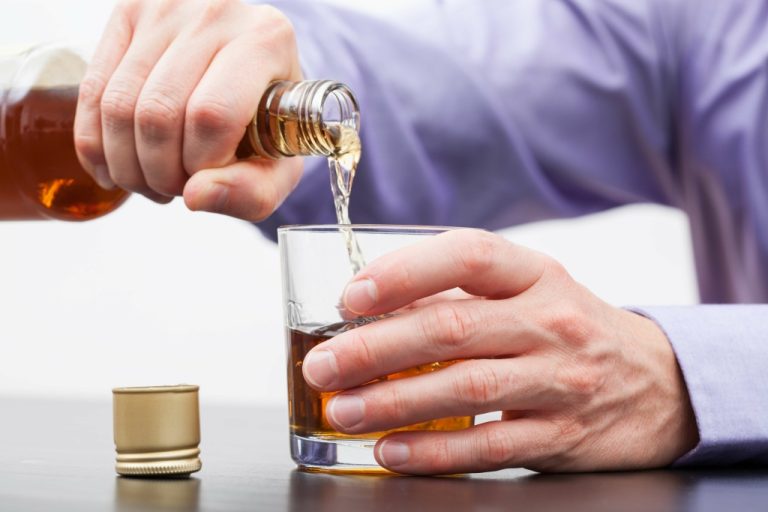
Alcohol is legal but is just as addictive and harmful as other substances. It can lead to physical dependence, mental health problems, and fatal overdoses. Recent surveys indicate that 29.5 million people ages 12 years and older had an alcohol use disorder (AUD) in the past 12 months in the United States in 2022. Addiction is a chronic, relapsing condition driven by changes in brain circuitry, particularly in areas controlling reward, stress, and decision-making.
Also, the early initiation of substance use is a significant risk factor for the subsequent development of SUD and may also elevate the risks of mental health disorders. Many people believe addiction results from weak willpower or lack of morals. Addiction can lead to profound changes in the brain, affecting a person’s self-control and decision-making abilities. These changes primarily occur in the brain’s reward pathway, which is responsible for experiencing pleasure and reinforcing behaviors. Stigma can severely impact individuals seeking treatment, affecting their recovery outcomes. Public perception, heavily influenced by media and societal attitudes, shapes how we view addiction and those it affects.

One of the most harmful myths about addiction is that people can simply “quit” with sheer willpower. Substance use disorder is a complex condition that affects brain chemistry and behavior. Understanding the reality of drug and alcohol addiction is the first step to supporting someone—or yourself—through recovery. Dispelling these myths about addiction is crucial for a more compassionate, supportive environment for those facing substance use disorders. There’s a misconception in the recovery community that if you’re using medication like methadone or buprenorphine as a component to your recovery, you’re not really sober. Medication-Assisted Treatment (MAT) is a form of addiction treatment that combines treatment medication, counseling, and behavioral therapy.